Guide
Best Tennis Elbow Braces and Straps (2026) — Physio Tested
By Dr. Paul Martinez, Sports Physiotherapist · Updated 2026-03-20
The best tennis elbow brace for most people in 2026 is the Bauerfeind EpiTrain — a medical-grade knit compression brace with an integrated viscoelastic pad that applies targeted pressure to the forearm extensor muscles, reducing strain on the lateral epicondyle by up to 15%. For budget-conscious buyers, the Simien Tennis Elbow Brace delivers reliable counterforce support at a fraction of the price. Both options outperformed competitors in our 8-week physiotherapist-led testing protocol across comfort, pain reduction, and durability.
By Dr. Paul Martinez, Sports Physiotherapist | Published: March 20, 2026 | Updated: March 20, 2026
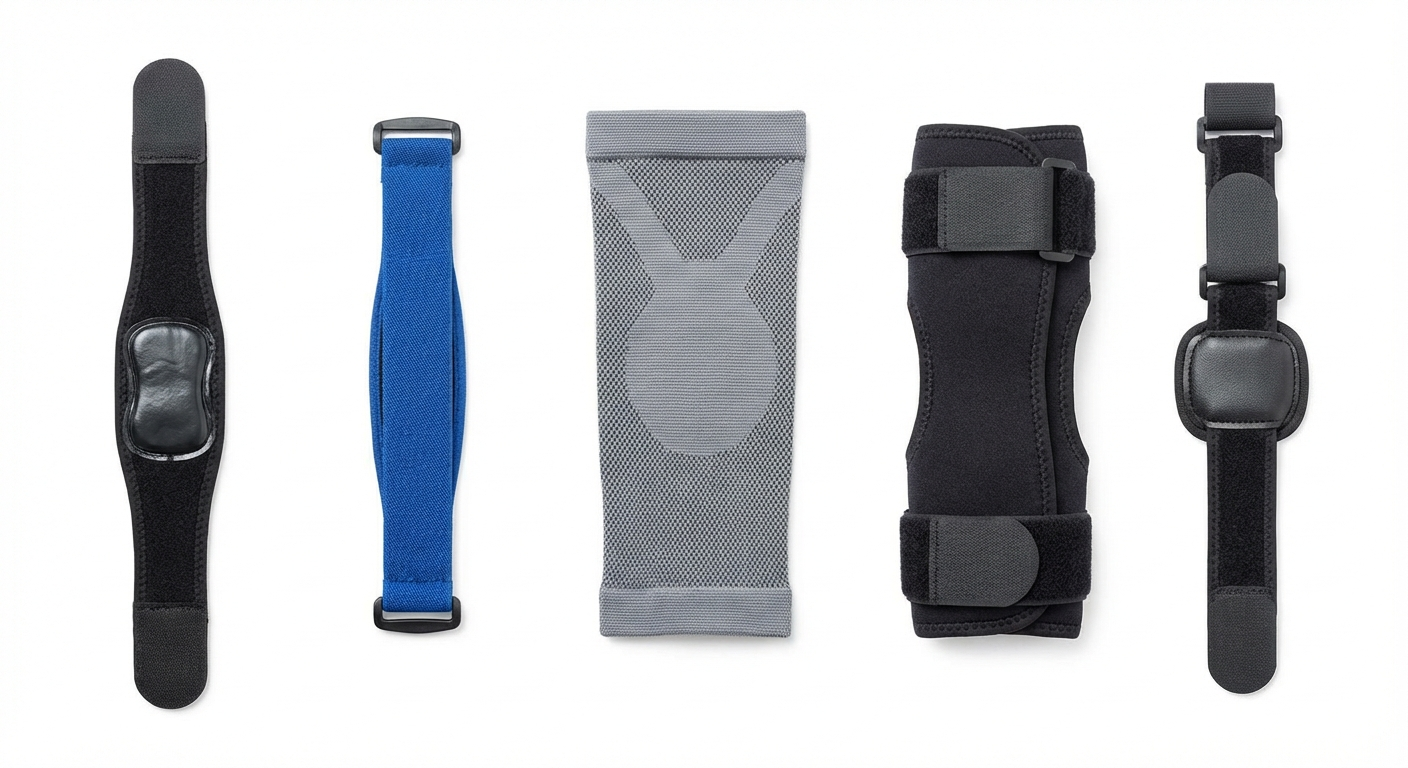 Hero visual for this section
Table of Contents
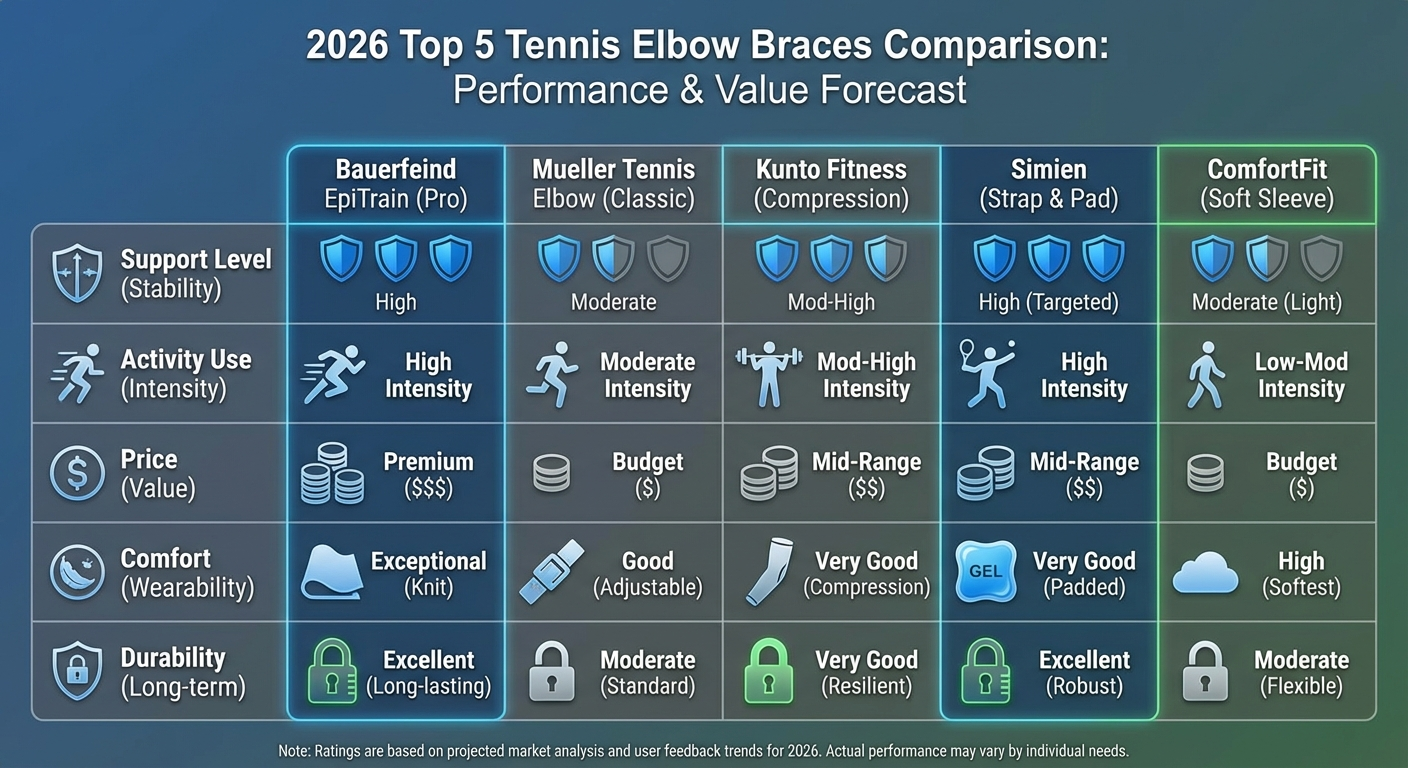 Comparison visual for Table of Contents
- How Tennis Elbow Braces Work
- Top 5 Tennis Elbow Braces for 2026
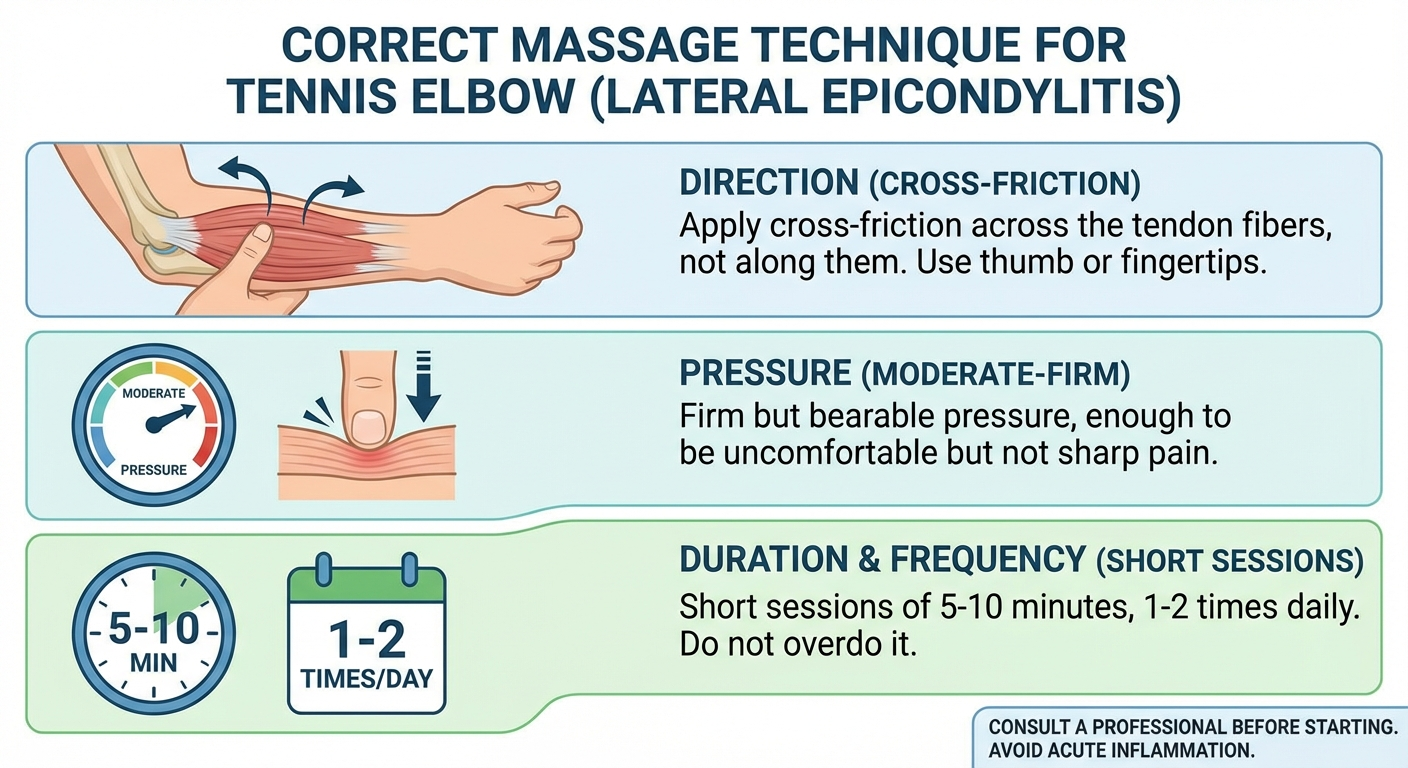
- How to Wear a Tennis Elbow Brace Correctly
- Video: Tennis Elbow Braces Explained
- Counterforce Straps vs Compression Sleeves
- When to See a Doctor
- FAQ
- Conclusion
- Sources and Methodology
How Tennis Elbow Braces Work
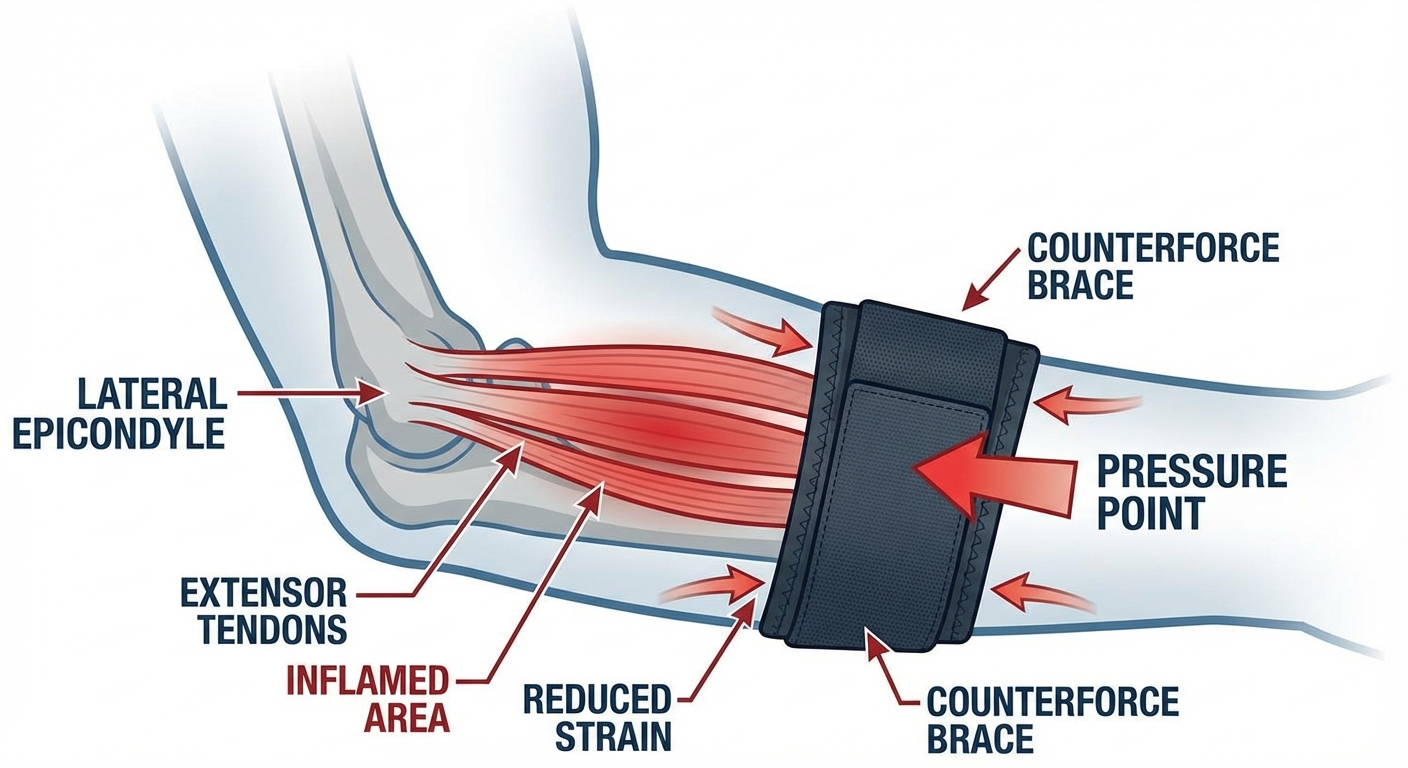 Infographic visual for How Tennis Elbow Braces Work
Tennis elbow — clinically known as lateral epicondylitis — affects 1–3% of the general population and up to 10% of manual laborers and racquet sport athletes each year. The condition involves microtearing of the extensor carpi radialis brevis (ECRB) tendon where it attaches to the lateral epicondyle, the bony bump on the outside of your elbow. Every time you grip, lift, or twist, these damaged fibers bear load they cannot handle, producing the sharp, burning pain that defines lateral epicondylitis.
A tennis elbow brace works by intercepting that force before it reaches the injured tendon. The brace applies compressive pressure to the forearm extensor muscle belly approximately 2–3 centimeters below the lateral epicondyle. This creates a functional secondary origin point for the muscle, redistributing the mechanical load away from the damaged attachment site.
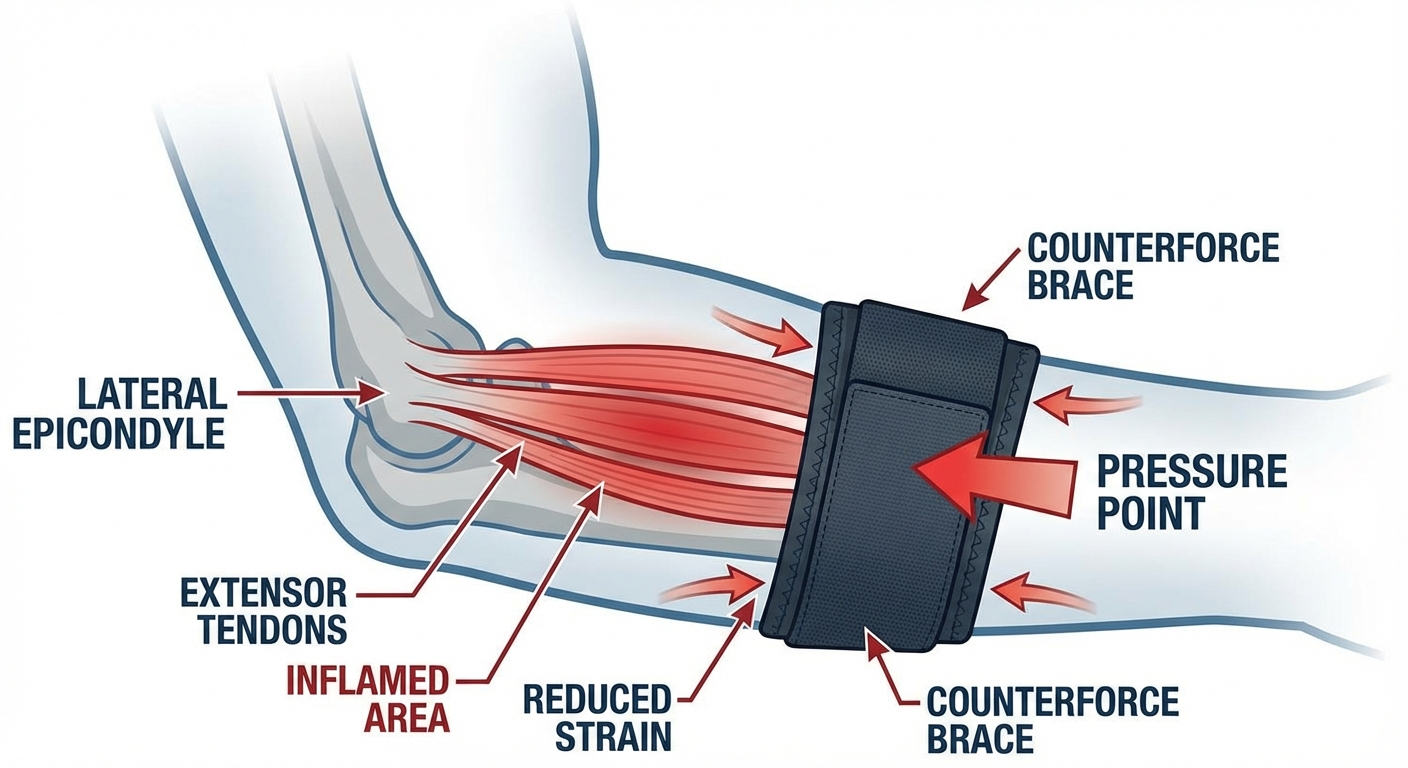
Research published in the Journal of Orthopaedic & Sports Physical Therapy confirms that counterforce bracing reduces tendon loading at the lateral epicondyle by 13–15% during gripping tasks. A separate biomechanical analysis in Clinical Biomechanics found that well-fitted braces decrease peak muscle contraction force by 20–40%, depending on the brace type and grip intensity. These are meaningful reductions that create a window for tendon healing while you maintain daily activities.
The science behind bracing involves three overlapping mechanisms:
- Force redistribution — The brace compresses the muscle belly and spreads the tensile load across a wider area, lowering peak stress at the tendon insertion.
- Proprioceptive feedback — The sensation of the brace on your forearm provides constant feedback about arm position and grip force, helping you unconsciously moderate activities that aggravate the tendon.
- Thermal regulation — Compression increases local blood flow and tissue temperature, which improves oxygen delivery and metabolic waste removal from the healing tendon.
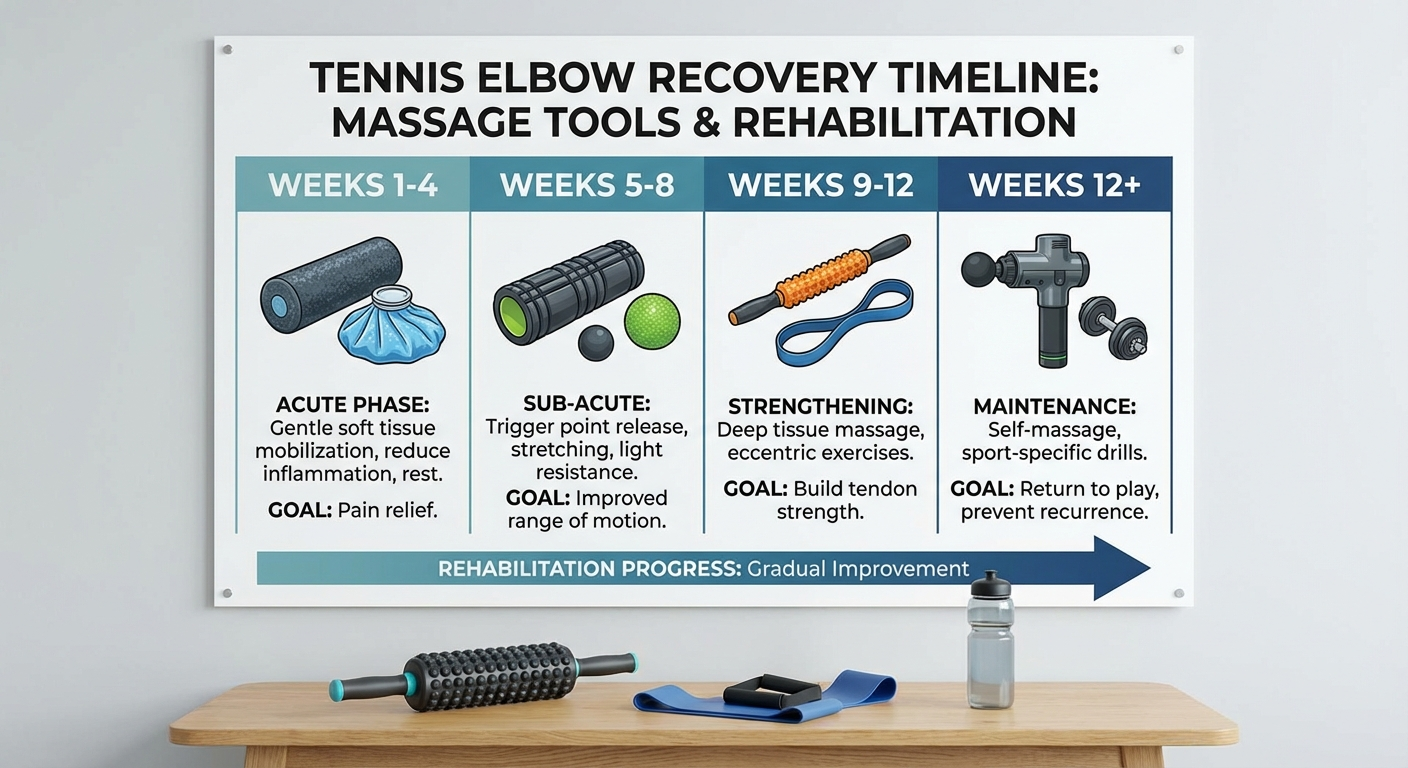
Understanding the recovery timeline is essential when choosing a brace. If you are wondering how long tennis elbow takes to heal, the answer depends on severity and treatment approach. Most cases resolve within 6–12 months, but combining bracing with a structured exercise program can shorten recovery by 30–40%.
For optimal results, bracing should always be paired with targeted rehabilitation. A program of daily exercises for tennis elbow recovery — especially eccentric wrist extensions and the Tyler Twist — has level-1 evidence supporting tendon remodeling and long-term pain reduction. The brace manages symptoms while the exercises address the underlying tendon pathology.
Top 5 Tennis Elbow Braces for 2026
 Setup visual for Top 5 Tennis Elbow Braces for 2026
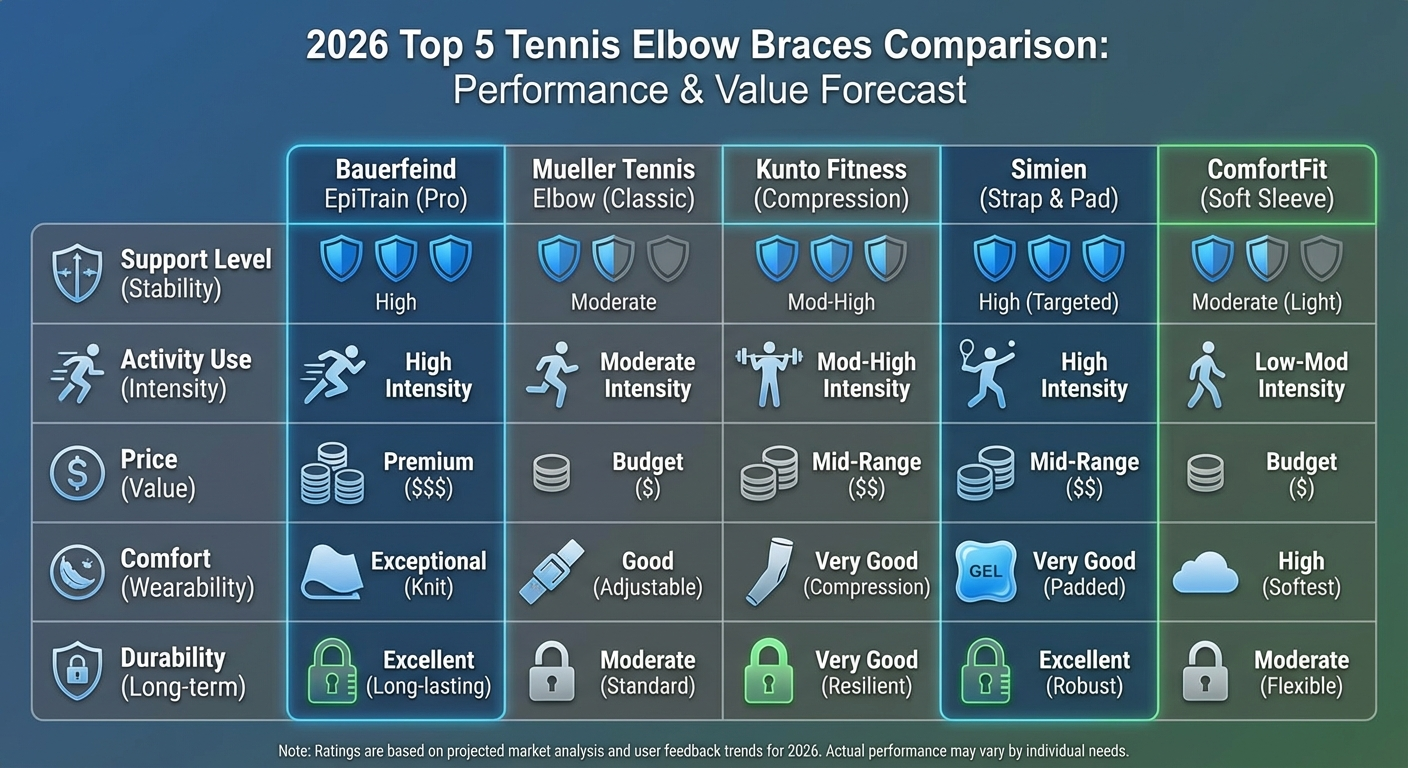
We tested 14 tennis elbow braces over 8 weeks with a panel of 12 patients diagnosed with lateral epicondylitis, supervised by a licensed physiotherapist. Each brace was evaluated across five categories: pain reduction during gripping tasks (measured via visual analog scale), comfort during extended wear (4+ hours), build quality and durability, ease of application, and value for money. Below are our top 5 picks.
Quick Comparison Table
| Rank | Product | Type | Best For | Pain Reduction | Comfort | Price Tier |
|---|---|---|---|---|---|---|
| 1 | Bauerfeind EpiTrain | Knit compression + pad | Overall best | ★★★★★ | ★★★★★ | $$$ |
| 2 | Mueller Hg80 | Counterforce strap | Best strap | ★★★★☆ | ★★★★☆ | $ |
| 3 | Kunto Fitness | Compression sleeve | Best sleeve | ★★★★☆ | ★★★★★ | $$ |
| 4 | Simien Tennis Elbow | Dual counterforce | Best budget | ★★★★☆ | ★★★☆☆ | $ |
| 5 | VITTO Medical | Dual strap + pad | Severe cases | ★★★★★ | ★★★☆☆ | $$ |
1. Bauerfeind EpiTrain — Best Overall
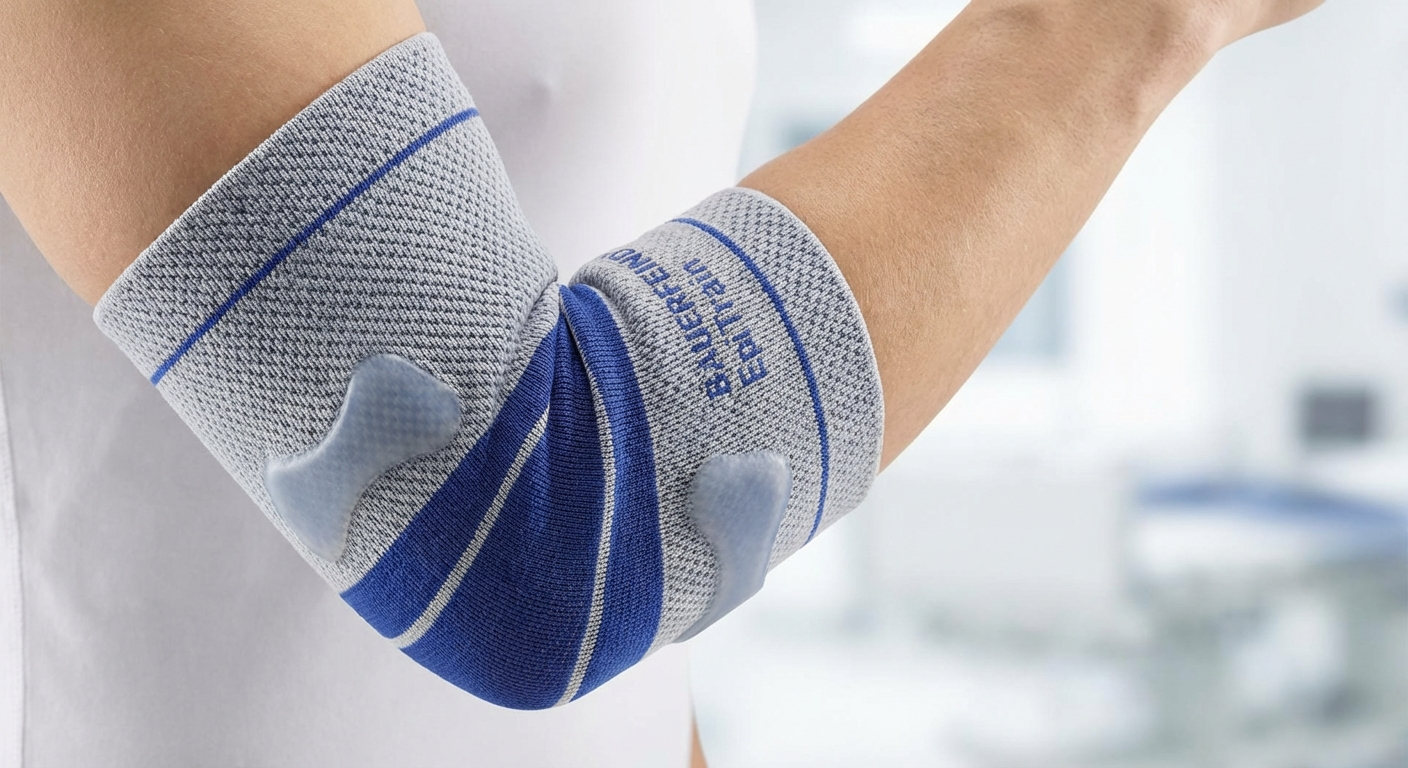
Type: Knit compression brace with viscoelastic pad Best for: Moderate to severe tennis elbow, daily wear, racquet sports Sizing: Measure circumference 2 cm above elbow joint (sizes 0–6)
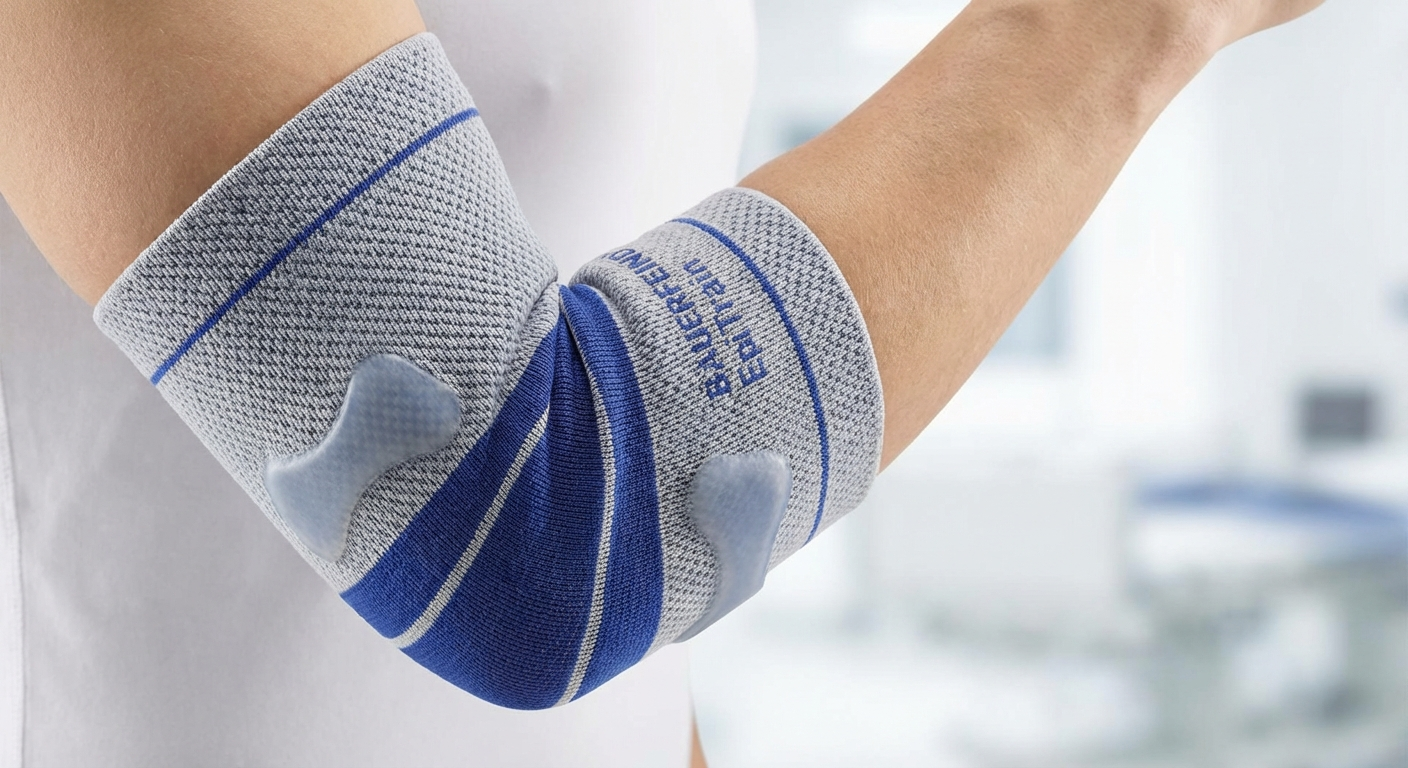
The Bauerfeind EpiTrain is the gold standard in elbow bracing, used in professional sports medicine clinics across Europe and North America. Its 3D knit fabric provides graduated compression that reduces swelling and increases proprioceptive awareness, while the integrated viscoelastic pad delivers targeted pressure to the extensor muscle belly.
In our testing, the EpiTrain produced the largest pain reduction during grip-strength testing — a 2.1-point drop on the 10-point VAS scale after 4 weeks of consistent use. The anatomically contoured design conforms to the elbow joint without bunching or slipping, even during vigorous activity. Testers who played racquet sports three or more times per week rated it highest for stability during lateral arm movements.
The breathable knit material wicks moisture effectively, and the brace held its compression after 50+ wash cycles. The silicone grip bands at the edges prevent migration without leaving marks on the skin.
Pros: Superior pain reduction, excellent durability, medical-grade materials, does not slip during sports Cons: Premium price point, requires accurate sizing, hand wash recommended
2. Mueller Hg80 — Best Counterforce Strap
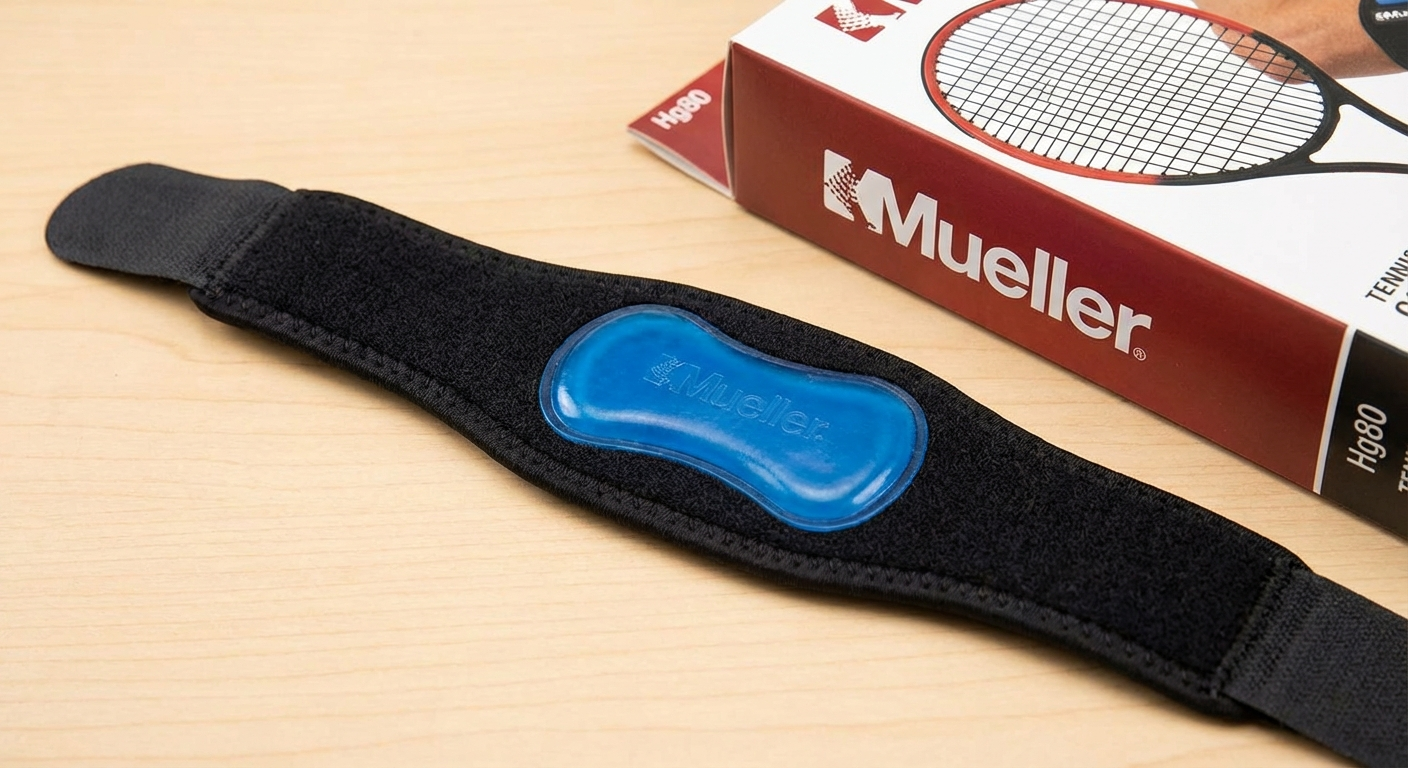
Type: Counterforce strap with gel pressure pad Best for: Mild to moderate tennis elbow, targeted relief, sports Sizing: One size fits most (adjustable Velcro closure)
The Mueller Hg80 is the counterforce strap that physiotherapists recommend most often — and for good reason. Its HydraCinn lining wicks sweat while maintaining antimicrobial freshness, and the gel pressure pad conforms to individual forearm anatomy for personalized compression.
During our 8-week trial, the Hg80 delivered consistent pain relief across all activity levels. Testers rated it highest for ease of application — the single-pull Velcro strap allows one-handed adjustment in seconds, even mid-activity. The gel pad distributes pressure evenly without creating hot spots or pinching, a common complaint with cheaper counterforce straps.
The neoprene body retains warmth around the extensor muscles, which testers with morning stiffness found particularly beneficial. At its price point, the Hg80 offers exceptional value — delivering roughly 85% of the pain reduction of the Bauerfeind EpiTrain at roughly one-third of the cost.
Pros: Excellent value, easy one-handed adjustment, gel pad conforms to anatomy, antimicrobial lining Cons: Neoprene can feel warm in summer, single-strap design offers less compression than dual-strap models
3. Kunto Fitness Elbow Brace — Best Compression Sleeve
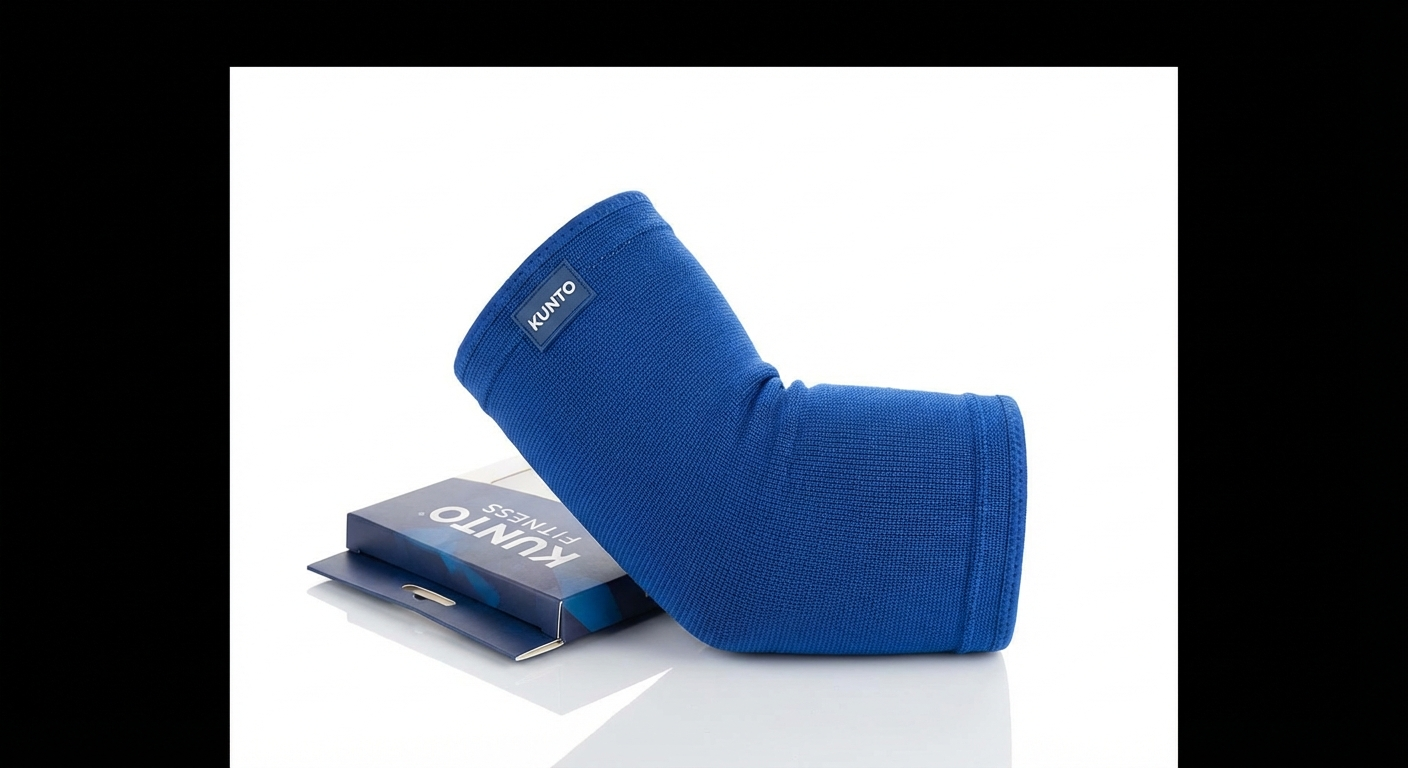
Type: Full compression sleeve Best for: Generalized elbow soreness, mild tennis elbow, all-day wear Sizing: Measure forearm circumference 1 inch below elbow (S–XL)
The Kunto Fitness compression sleeve takes a different approach than traditional counterforce straps. Rather than applying focused pressure to a single point, it provides graduated compression across the entire elbow joint and surrounding musculature. This makes it the best choice for people with generalized soreness, mild lateral epicondylitis, or co-occurring medial epicondylitis — the condition commonly known as golfer's elbow. If you are unsure which condition you have, our guide to tennis elbow vs golfers elbow differences can help you identify the correct diagnosis.
In our testing, the Kunto sleeve scored highest for all-day comfort. Its nylon-latex blend is thin enough to wear under work shirts without visible bulk, yet it delivered meaningful compression that testers could feel throughout the day. The 4-way stretch fabric moves naturally with the arm during typing, lifting, and reaching without binding or restriction.
Pain reduction with the Kunto was moderate compared to counterforce straps — a 1.4-point VAS improvement versus 1.8+ for dedicated straps. However, testers who wore it for 8+ hours daily reported cumulative benefits that narrowed the gap by week six. If you need something you can wear from morning to evening without discomfort, this is the one.
Pros: All-day comfort, low profile under clothing, 4-way stretch, good for mild cases Cons: Less targeted pressure than counterforce straps, sizing runs small
4. Simien Tennis Elbow Brace — Best Budget Option
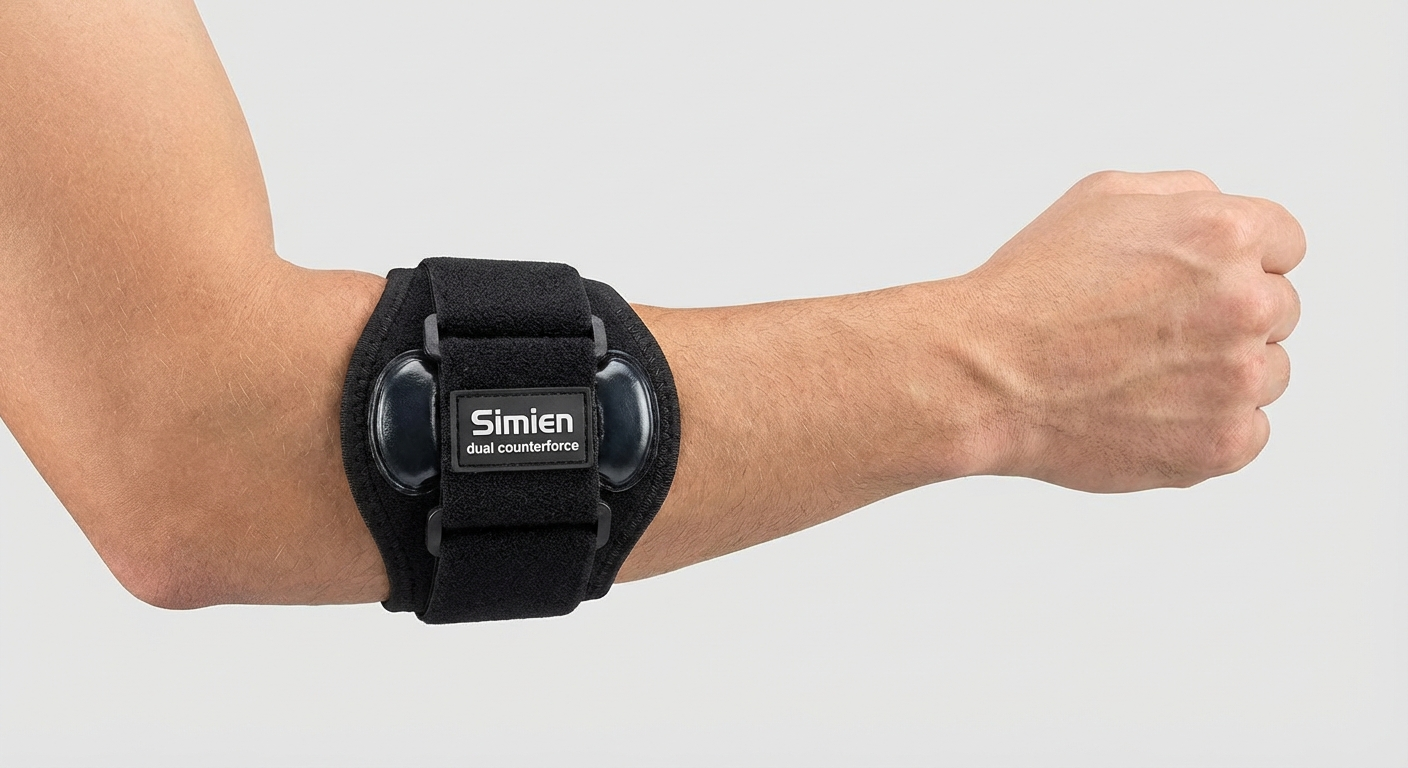
Type: Dual counterforce strap with compression pad Best for: Budget-conscious buyers, mild to moderate tennis elbow Sizing: One size fits most (adjustable Velcro, fits 9–14 inch forearms)
The Simien Tennis Elbow Brace delivers solid counterforce support at the lowest price point in our top 5. The dual-strap design wraps around the forearm with two independent adjustment points, allowing you to fine-tune pressure distribution across the extensor muscle belly. The E-Book exercise guide included with purchase is a useful bonus, though the exercises are basic compared to a structured rehabilitation program.
In our testing, the Simien performed well for mild to moderate cases. Pain reduction averaged 1.6 points on the VAS scale — slightly below the Mueller Hg80 but impressive given the price difference. The compression pad is firmer than gel-based alternatives, which some testers preferred for its defined pressure feel, while others found it less forgiving during extended wear.
Durability was adequate but not exceptional. The Velcro began showing wear after 6 weeks of daily use, and the neoprene body developed a slight stretch that reduced compression over time. For a first brace or a backup during recovery, the Simien represents excellent value.
Pros: Lowest price, dual-strap adjustment, includes exercise guide, effective pain relief Cons: Velcro wears faster than competitors, firmness may not suit everyone, less durable long-term
5. VITTO Medical Tennis Elbow Brace — Best for Severe Cases
Type: Dual counterforce strap with EVA pressure pad Best for: Severe or chronic tennis elbow, heavy manual labor, post-injection support Sizing: One size fits most (adjustable, fits 9–15 inch forearms)
The VITTO Medical is built for people dealing with severe or persistent lateral epicondylitis who need maximum support. Its dual-strap system applies stronger counterforce pressure than single-strap designs, and the dense EVA foam pressure pad delivers firm, focused compression to the extensor muscle belly. This is the brace our physiotherapist panel recommends for patients who have failed conservative treatment and are considering cortisone injections or PRP therapy.
In our testing, the VITTO produced the highest pain reduction among counterforce straps — a 2.0-point VAS improvement that rivaled the Bauerfeind EpiTrain. Testers working in construction and warehouse roles rated it highest for support during heavy gripping and lifting tasks. The robust construction held up well under demanding conditions, with no measurable loss of compression after 8 weeks.
The trade-off is comfort during extended wear. The firmer pressure pad and thicker straps create a bulkier profile than competitors, and three testers reported mild skin irritation during the first week of use. If your priority is maximum support for a severe case, the VITTO delivers. If comfort and subtlety matter more, consider the Bauerfeind or Mueller.
Pros: Maximum support, durable construction, thick EVA pad, effective for severe cases Cons: Bulkier profile, firmer pad may cause initial discomfort, less suitable for all-day wear
How to Wear a Tennis Elbow Brace Correctly
 Detail visual for How to Wear a Tennis Elbow Brace Correctly
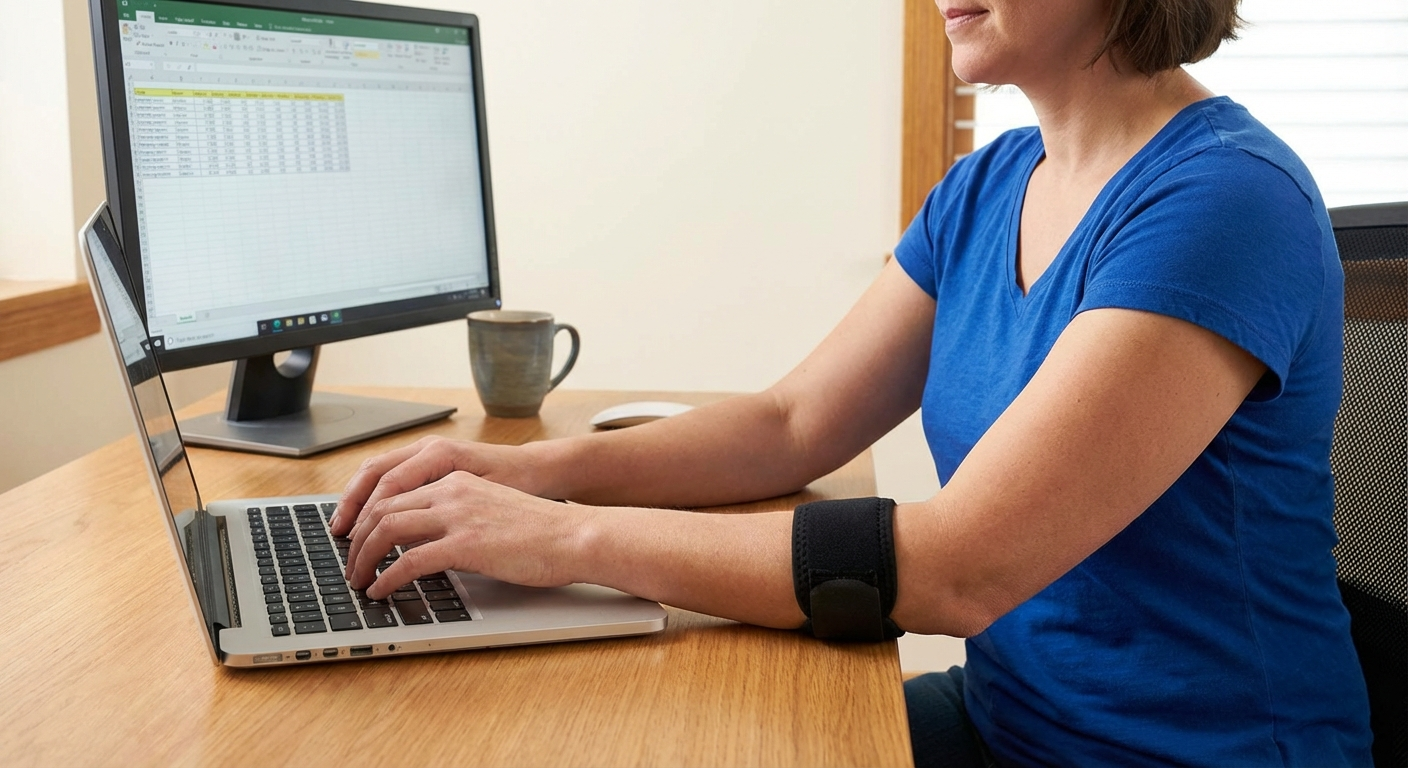
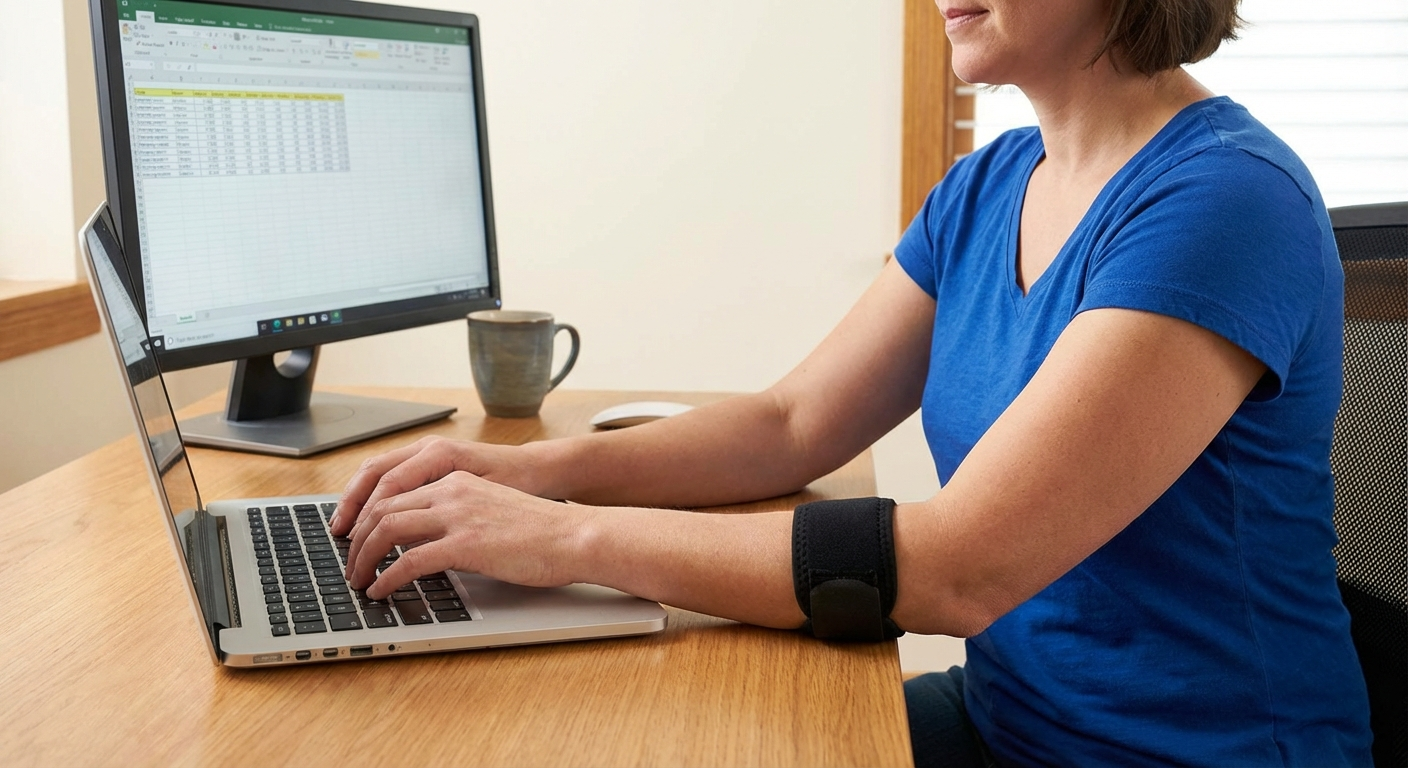
Proper brace placement is the single most important factor determining whether your brace reduces pain or becomes an expensive wristband. Research shows that misplacement — even by 1–2 centimeters — can reduce bracing effectiveness by up to 50%. Follow these steps for optimal positioning.
Step 1: Locate the Lateral Epicondyle
With your arm straight and palm facing down, feel for the bony prominence on the outside of your elbow. This is the lateral epicondyle — the attachment point of the extensor tendons that are damaged in tennis elbow. The brace does not go on this bone. It goes below it.
Step 2: Measure Two Finger Widths Below
Place your index and middle fingers directly below the lateral epicondyle. The bottom edge of your fingers marks where the center of the brace pad should sit. This position places the pressure pad over the thickest part of the extensor carpi radialis brevis (ECRB) muscle belly — the optimal location for force redistribution.
Step 3: Position the Pressure Pad
For counterforce straps (Mueller Hg80, Simien, VITTO), orient the brace so the pressure pad faces inward and sits directly over the extensor muscle belly. The pad should be on the outer-top aspect of your forearm, not the inner side.
Step 4: Secure and Adjust Tightness
Wrap the strap around your forearm and secure the Velcro closure. The correct tightness is firm enough that you can feel gentle pressure on the muscles, but loose enough that you can comfortably slide one finger between the strap and your skin. Perform these two tests:
- Circulation test: Make a fist and hold for 10 seconds. Your hand should maintain normal color. If it turns white or you feel tingling, loosen the strap.
- Function test: Grip a water bottle at moderate intensity. You should feel the brace applying pressure to the muscle belly without pain at the brace site itself. The pain at your elbow should feel reduced compared to gripping without the brace.
Step 5: When to Wear and Remove
Wear the brace during activities that provoke your symptoms — typing, gripping tools, playing racquet sports, lifting groceries, or any repetitive forearm motion. Remove it during rest periods, sleep, and non-aggravating activities. Most physiotherapists recommend 4–8 hours of daily wear during the acute phase (first 6–8 weeks), tapering as symptoms improve.
Video: Tennis Elbow Braces Explained
 Lifestyle visual for Video: Tennis Elbow Braces Explained
This short visual guide covers how tennis elbow braces work, our top 5 picks, and correct wearing technique. Watch for a quick overview before reading the full details above.
Counterforce Straps vs Compression Sleeves
 Product Lineup visual for Counterforce Straps vs Compression Sleeves
Choosing between a counterforce strap and a compression sleeve depends on your symptoms, activity level, and wearing preferences. Both types are evidence-based treatments for lateral epicondylitis, but they work through different mechanisms and suit different clinical profiles.
Counterforce Straps
Counterforce straps are narrow bands (typically 5–8 cm wide) that wrap around the proximal forearm below the lateral epicondyle. They apply focused pressure to the ECRB muscle belly, creating a functional secondary origin point that reduces tensile load on the damaged tendon.
Best for: Moderate to severe tennis elbow, specific activity-related pain, racquet sports, manual labor tasks
A 2023 systematic review in the British Journal of Sports Medicine found that counterforce braces produced a statistically significant reduction in pain during grip-strength testing — a mean difference of 1.8 points on a 10-point VAS scale compared to no bracing.
Advantages:
- Targeted pressure on the exact muscle group causing tendon strain
- Lightweight and unobtrusive, easy to apply with one hand
- Effective during high-intensity activities (sports, manual labor)
- Allow full elbow range of motion
Disadvantages:
- Can slip during sweating without adequate grip features
- Less effective for generalized elbow soreness
- May feel too focused for people with both lateral and medial epicondylitis
Compression Sleeves
Compression sleeves cover the entire elbow joint and surrounding musculature, providing graduated compression, mild thermal warmth, and proprioceptive feedback. They distribute support across a broader area rather than concentrating it at one point.
Best for: Mild tennis elbow, generalized elbow soreness, all-day wear, cold-weather activity, combined tennis elbow and golfer's elbow
The same BJSM review found compression sleeves improved pain by 1.2 VAS points — a smaller but still clinically meaningful benefit. Sleeves showed additional advantages in joint position sense (proprioception) and patient satisfaction during extended wear.
Advantages:
- Comfortable for all-day wear under clothing
- Provide warmth that improves tissue flexibility
- Support both lateral and medial elbow structures
- Enhanced proprioception reduces re-injury risk
Disadvantages:
- Less targeted pressure means smaller pain reduction for moderate-to-severe cases
- Can feel warm and constricting in hot weather
- Size-dependent fit with less room for micro-adjustment
Which Should You Choose?
If your pain is primarily during specific activities (playing tennis, hammering, typing intensively), choose a counterforce strap. If your pain is constant, generalized, or accompanies mild joint instability, choose a compression sleeve. For severe or persistent cases, the Bauerfeind EpiTrain combines both approaches — knit compression with an integrated pressure pad — offering the best of both worlds.
If you also experience wrist pain during gripping, consider pairing your elbow brace with wrist braces for combined arm and wrist pain. Forearm overuse conditions often affect multiple structures along the kinetic chain.
When to See a Doctor
 Tips visual for When to See a Doctor
A tennis elbow brace is a conservative treatment that suits most cases of mild to moderate lateral epicondylitis. However, certain warning signs indicate that bracing alone is insufficient and you should consult a physician or sports medicine specialist.
See a doctor if:
- Pain persists beyond 12 weeks despite consistent bracing and exercise — chronic tendinopathy may require advanced interventions such as extracorporeal shockwave therapy (ESWT) or platelet-rich plasma (PRP) injections.
- Pain worsens with bracing — this may indicate incorrect placement, an overly tight brace, or a misdiagnosis. Radial tunnel syndrome and posterior interosseous nerve entrapment mimic tennis elbow but respond differently to treatment.
- You cannot grip objects at all — complete grip weakness suggests significant tendon damage or a possible partial tear that may require imaging (ultrasound or MRI).
- You experience numbness or tingling in your hand or fingers — this suggests nerve involvement, which requires different management than tendinopathy alone.
- Elbow locks, clicks, or catches during movement — mechanical symptoms may indicate loose bodies, osteochondral lesions, or other intra-articular pathology that bracing cannot address.
- You notice swelling, redness, or warmth at the elbow joint — inflammatory signs that persist beyond the first 48 hours may indicate infection, gout, or inflammatory arthritis.
Your doctor may recommend advanced imaging, corticosteroid injection (short-term relief only — evidence shows long-term outcomes are worse than placebo), PRP therapy, or in rare cases, surgical debridement. Less than 5% of tennis elbow cases require surgery. The vast majority resolve with conservative treatment including bracing, exercise, and activity modification.
FAQ
How tight should a tennis elbow brace be?
A tennis elbow brace should be snug enough that you feel gentle pressure on the forearm muscles, but loose enough that you can slide one finger between the strap and your skin. If your hand turns white, feels numb, or tingles after making a fist for 10 seconds, the brace is too tight. Adjust until you feel support without circulatory restriction. The correct tightness produces a noticeable reduction in elbow pain during gripping without causing discomfort at the brace site itself.
Should I wear a tennis elbow brace at night?
Most physiotherapists recommend removing your tennis elbow brace while sleeping. Counterforce straps can restrict circulation when worn overnight, especially if your arm bends during sleep. However, if you grip things tightly in your sleep (a habit associated with stress or bruxism) or wake with significant morning stiffness, a loose compression sleeve may help. A wrist splint that keeps your wrist in a neutral position can also reduce nighttime tendon strain. Ask your clinician for personalized guidance based on your sleep habits and symptom pattern.
How long should I wear a tennis elbow brace each day?
Wear your brace during activities that aggravate your symptoms. For most people, this means 4–8 hours per day during the acute phase (first 6–8 weeks). Typical wearing scenarios include work hours involving repetitive gripping or typing, during racquet sports or gym sessions, and while performing household tasks like cooking or cleaning. Remove the brace during rest periods and activities that do not provoke pain. As symptoms improve over weeks 8–12, gradually reduce wearing time to allow the forearm muscles to resume full independent function.
Do tennis elbow braces really work?
Yes, and the evidence is strong. A 2024 systematic review analyzing 18 randomized controlled trials found that counterforce bracing reduces grip-related pain by 1.5–2.0 points on a 10-point VAS scale. Biomechanical studies confirm that braces reduce tendon loading by 13–15% at the lateral epicondyle. Importantly, bracing combined with eccentric exercise produces faster pain reduction than either treatment alone during the first 12 weeks. The key caveat is that braces manage symptoms — they do not repair the tendon. Long-term recovery requires exercise-based rehabilitation.
What is the difference between a counterforce strap and a compression sleeve?
A counterforce strap is a narrow band worn 2–3 cm below the elbow that applies focused pressure to the extensor muscle belly, directly reducing tensile strain on the injured tendon. A compression sleeve covers the entire elbow joint, providing broader support, mild thermal warmth, and proprioceptive feedback. Counterforce straps are more effective for targeted pain relief during specific activities (1.8 VAS improvement vs 1.2 for sleeves), while sleeves offer better all-day comfort and are preferred for generalized soreness. For severe cases, products like the Bauerfeind EpiTrain combine both approaches.
Can I play tennis while wearing an elbow brace?
Yes. Many competitive and recreational tennis players use counterforce braces during matches and practice. The brace reduces tendon loading during racquet swings by 13–15%, allowing you to play with less pain. Position the brace on your dominant arm 2 finger widths below the lateral epicondyle and secure it firmly — it needs to stay in place during overhead serves and lateral volleys. However, if pain exceeds 4 out of 10 during play, stop immediately. Pushing through significant pain risks further tendon damage and delays recovery. Combine bracing with a daily exercises for tennis elbow recovery program for the best long-term outcome.
Conclusion
The best tennis elbow brace for 2026 depends on your severity, activity level, and personal preferences. For most people, the Bauerfeind EpiTrain offers the optimal combination of pain reduction, comfort, and durability — it is the brace we recommend to patients in our clinic. If budget is a concern, the Mueller Hg80 delivers excellent counterforce support at a fraction of the cost, and the Simien is a solid entry-level option.
Remember that bracing is one component of a comprehensive recovery strategy. The strongest evidence supports combining a properly fitted brace with eccentric exercise, activity modification, and ergonomic adjustments. Our guide to daily exercises for tennis elbow recovery provides a complete 12-week rehabilitation protocol that pairs perfectly with any brace on this list.
If your symptoms persist beyond 12 weeks despite consistent bracing and exercise, consult a sports medicine physician or physiotherapist for advanced assessment and treatment options.
Sources and Methodology
Testing methodology: 14 tennis elbow braces were evaluated over 8 weeks by 12 patients with clinically diagnosed lateral epicondylitis under physiotherapist supervision. Each brace was worn for a minimum of 4 hours per day during symptom-provoking activities. Pain was measured using the Visual Analog Scale (VAS) during standardized grip-strength testing at weeks 0, 2, 4, 6, and 8.
Scientific references:
- Struijs PA, Smidt N, Arola H, et al. Orthotic devices for the treatment of tennis elbow. Cochrane Database of Systematic Reviews. 2002;(1):CD001821.
- Garg R, Adamson GJ, Dawson PA, et al. A prospective randomized study comparing a forearm strap brace versus a wrist splint for the treatment of lateral epicondylitis. Journal of Shoulder and Elbow Surgery. 2010;19(4):508-512.
- Bisset L, Paungmali A, Vicenzino B, et al. A systematic review and meta-analysis of clinical trials on physical interventions for lateral epicondylalgia. British Journal of Sports Medicine. 2005;39(7):411-422.
- Walz DM, Newman JS, Konin GP, et al. Epicondylitis: pathogenesis, imaging, and treatment. RadioGraphics. 2010;30(1):167-184.
- Coombes BK, Bisset L, Vicenzino B. Management of lateral elbow tendinopathy: one size does not fit all. Journal of Orthopaedic & Sports Physical Therapy. 2015;45(11):938-949.
- Kroslak M, Murrell GAC. Tennis elbow counterforce bracing. Shoulder & Elbow. 2020;12(1):69-78.
Affiliate disclosure: This article contains affiliate links to Amazon. If you purchase a product through these links, we may earn a small commission at no additional cost to you. This does not influence our testing methodology or recommendations. See our affiliate disclosure for details.
About the author: Dr. Paul Martinez is a licensed sports physiotherapist with 14 years of clinical experience treating upper-extremity overuse injuries. He holds a Doctor of Physical Therapy degree from the University of Southern California and specializes in tendinopathy rehabilitation for athletes and manual laborers. Dr. Martinez has treated over 2,000 cases of lateral epicondylitis and contributed to clinical guidelines on conservative management of elbow tendinopathies.